

Hemp Wraps vs Rolling Papers vs Blunt Wraps: A 500-Year History and the Real Differences That Matter
For adults 21+ only. This article is for educational purposes only.
A 500-Year History in Three Products
Most people think of rolling papers and blunt wraps as modern inventions. They are not. According to Custom Cones USA's rolling paper history, the first commercially produced rolling papers appeared in 16th-century Spain, with the Mauduit mill producing thin cigarette papers as early as the 1560s. The Pay-Pay brand -- still sold today -- was founded in 1703 by Dominican monks in Alcoy, Spain. By the late 1800s, gum Arabic adhesive strips were added to create the gummed seam we use today.
Tobacco blunt wraps have a different lineage. The "blunt" as a rolled tobacco-leaf wrap became culturally widespread in the United States in the 1980s and 1990s, typically made from splitting a cheap cigar (Phillies Blunts being the most cited origin of the name) and refilling it. Pre-made tobacco blunt wraps entered retail in the 1990s and 2000s as the practice grew.
Hemp wraps are the newest entrant -- commercially viable only after the 2018 Farm Bill legalized hemp cultivation in the U.S. They represent a direct response to demand for a tobacco-free, nicotine-free alternative to the blunt wrap format.
What Each Is Actually Made From
Rolling Papers
Rolling papers are thin sheets produced from several base materials, each with distinct properties:
- Wood pulp: The oldest and most common. Burns faster, produces more visible smoke, easiest to roll. Standard cigarette paper composition.
- Rice paper: Thinner, slower-burning, near-neutral flavor profile. Requires more rolling skill because it is less forgiving when damp.
- Hemp paper: Made from hemp fiber, not hemp flower. No CBD content. Marketed as a more natural option than wood pulp. Similar burn characteristics to rice paper.
- Flax: Used by brands like RAW for their "unbleached" papers. Translucent, minimal processing.
Standard rolling papers (1.25 size) hold roughly 0.5 grams. King-size papers hold 0.8-1 gram. None contain nicotine. The gum Arabic adhesive strip on most papers is the only additive beyond the paper material itself.
Tobacco Blunt Wraps
Traditional tobacco blunt wraps are either whole tobacco leaf or reconstituted tobacco sheet (tobacco fines re-pressed into a sheet with a binder). Both contain tobacco and, critically, contain nicotine. The amount of nicotine varies by brand and product type, but it is always present. Flavored blunt wraps use the tobacco base plus added flavorings -- the base material and its nicotine content do not change.
The tobacco leaf's density is what gives a traditional blunt its characteristic slow burn -- thicker material burns more slowly than thin rolling paper. This is why the blunt format became associated with a longer, more leisurely smoke session.
Hemp Wraps
Hemp wraps replicate the blunt format's size, thickness, and slow-burn characteristics using hemp fiber and hemp leaf instead of tobacco. The result is a wrap that handles and burns similarly to a tobacco blunt wrap, but contains zero tobacco and zero nicotine. As noted by Zig-Zag -- a rolling paper manufacturer with over 130 years in the industry -- hemp wraps produce a distinctly different flavor profile: earthy, natural hemp rather than the tobacco notes of a traditional blunt wrap.
One practical note: hemp wraps tend to come out of the package stiffer than tobacco blunt wraps. This is a material property of hemp fiber. Most experienced users warm the wrap slightly between their palms or breathe on it briefly to increase pliability before rolling. Once pliable, hemp wraps roll and seal comparably to tobacco wraps.
Side-by-Side Comparison
| Feature | Rolling Papers | Tobacco Blunt Wraps | Hemp Wraps |
|---|---|---|---|
| Base Material | Rice, wood pulp, hemp paper, or flax | Tobacco leaf or reconstituted tobacco | Hemp fiber and/or hemp leaf |
| Nicotine | None | Yes | None |
| Tobacco | None | Yes | None |
| Thickness | Very thin | Thick | Thick |
| Burn Rate | Moderate to fast | Slow | Slow |
| Flavor | Neutral to minimal | Tobacco; flavored varieties available | Earthy hemp; flavored varieties available |
| Capacity | 0.5-1g | 1-2g | 1-2g |
| Rolling Difficulty | Moderate to high | Low to moderate | Low to moderate (warm first) |
The Burn Rate Difference: Why It Matters
The slow burn of tobacco and hemp wraps versus rolling papers is not just a personal preference -- it affects the entire session. A rolling paper cigarette burns in 5-10 minutes. A blunt or hemp wrap in the same size typically burns 15-25 minutes due to the thicker, denser wrap material. For people who prefer a longer, more controlled experience rather than a quick draw, the wrap format has a structural advantage.
The burn rate also affects flavor development. Slower combustion means cooler smoke and more time for terpenes and other volatile compounds to express themselves before incineration.
Which Should You Choose?
- If you want minimal impact on flavor and a quick, simple roll: rolling papers
- If you want the blunt format without tobacco or nicotine: hemp wraps
- If you specifically want the tobacco-leaf experience: traditional blunt wraps
For people stepping away from tobacco products, hemp wraps offer the closest structural and experiential equivalent to a traditional blunt wrap without the tobacco or nicotine component.
Related: What Is a Hemp Wrap? | What Can I Use to Roll Without Wraps?
Shop: Hemp Wraps | Pre-Rolled Hempettes
Must be 21 or older to purchase.
SUGGESTED ARTICLES
-
Broad Spectrum vs Full Spectrum CBD: What the Entourage Effect Research Actually Shows
-
Hemp Wraps vs Rolling Papers vs Blunt Wraps: A 500-Year History and the Real Differences That Matter
-
CBD Tincture Dosage: The Sublingual Myth, Bioavailability Science, and How to Actually Find Your Serving Size
-
Hemp Cigarette Laws by State in 2026: Bans, Court Battles, and a Federal Deadline You Need to Know
-


Will Hemp Cigarettes Fail a Drug Test? The Science Behind THC Screening (2026)
-

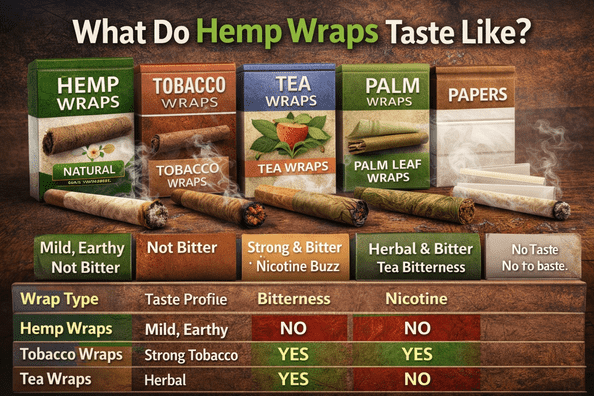
What Do Hemp Wraps Taste Like? A Real Flavor Breakdown
-
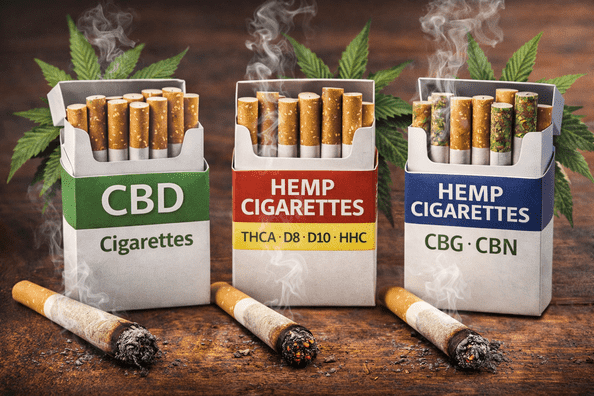
Are Hemp Cigarettes the Same as CBD Cigarettes? A Complete Breakdown
-

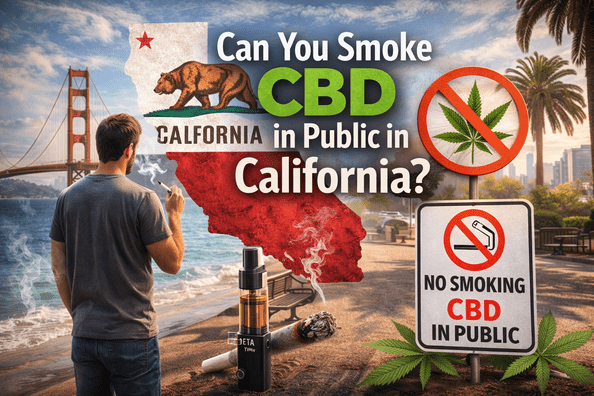
Can You Smoke CBD in Public in California?
-

Can You Smoke CBD in Texas? – A Clear Guide to the Laws (2026)
-

日本でCBDは吸える?CBDタバコとCBDスモークの法律を解説
-


Can You Smoke CBD in Japan? Laws, Risks, and What Travelers Should Know
-


Does Smoking Hemp Make You Poop? The Science Explained
-

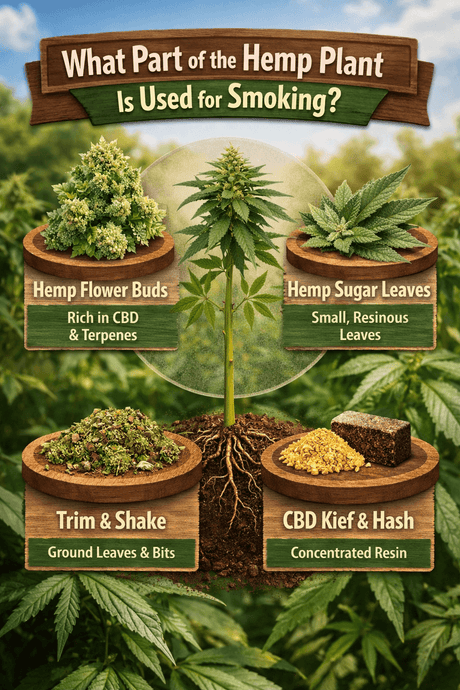
What Part of the Hemp Plant Is Used for Smoking?
-

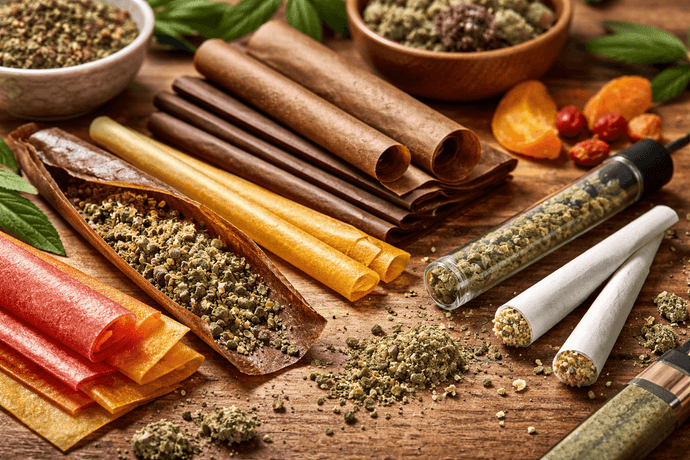
What Can I Use to Roll a Blunt Without Wraps? (Real Alternatives, Ranked)
-
What Is a Hemp Wrap? (Simple Definition, Uses, and Differences Explained)
-

How Long Does a CBD Cigarette Stay in Your System? (Complete 2026 Guide)
-

The History of Smoking Hemp Flower
-
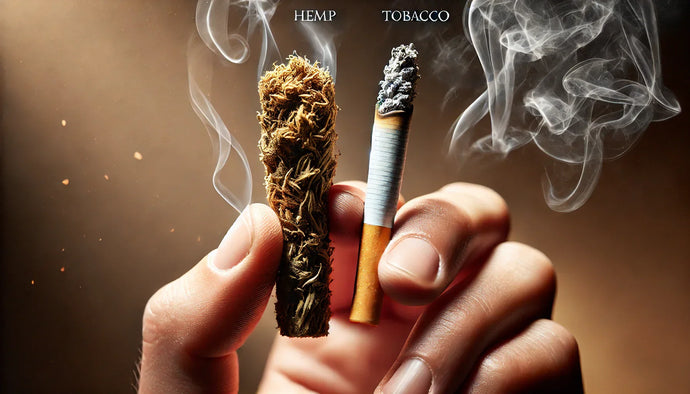
Do Hemp Cigarettes Burn the Same as Tobacco Cigarettes?
-
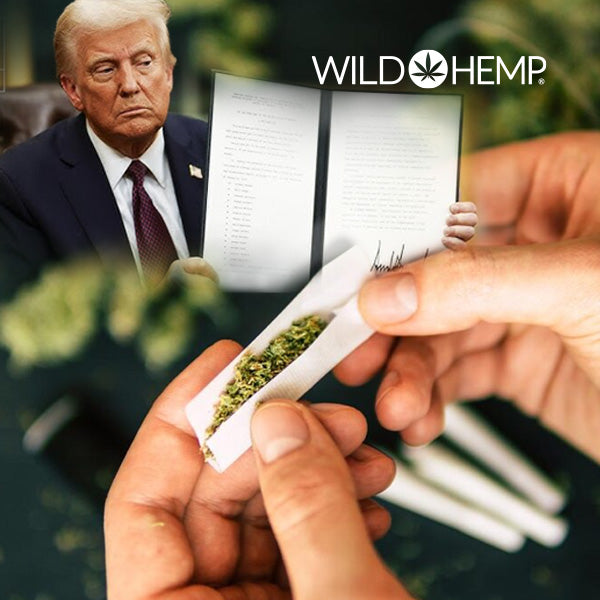
How Trump’s Tariffs Affect the Hemp, CBD & Cannabis Industry
-
Is Hemp the Most American Plant on the Planet?
-


Is It Possible to Get High Off the Leaves of the Marijuana Plant?
-
The Best Slow Burning Marijuana Hemp Leaf Wraps: Wild Hemp Wraps
-


Best Hemp Wraps in Oklahoma!
-

Can CDL Drivers Smoke CBD?
-


What is the Difference Between CBD and Kava?
-
Smoking Hemp vs. Smoking Crack Cocaine (Similarities & Differences)
-
Do Hemp Wraps Get You More High? Exploring the Truth Behind the Buzz
-

How Much Are Blunt Wraps? Tobacco vs. Hemp Wraps Price
-

How to Wrap a Blunt with Concentrate: A Step-by-Step Guide to Rolling Like a Pro
-

What Do Hemp Wraps Contain?
-


The Top 12 Most Popular Smokable Herbs
-
Smoking Mullein vs. Hemp Cigarettes: Key Differences and Insights
-


Are CBD Gummies More Expensive Than CBD Vapes?
-
Are Hemp Wraps Better than Rolling Papers?
-


The Science of Laughter: Why Cannabis Makes You Giggle
-


Hemp Wraps vs. Tobacco Wraps: A Comprehensive Comparison
-


Discreetly Relaxing: A Parent's Guide to Using CBD Undetected
-


Is It Safe to Use CBD Before a Job Interview?
-

Is Vaping Weed Better Than Smoking It With A Blunt?
-


How To Hide Weed's Smell
-
How to Roll the Perfect Blunt (For Beginners)
-

Can Kids or Teenagers Safely Eat CBD Gummies?
-


Should You Store Your Hemp Wraps in the Fridge or Freezer?
-


What is the Best CBD Gummy Dosage for Beginners?
-


Are hemp rolling papers better for the environments?
-
Maximize Your Vaping Experience With THC Free CBD Vapes
-
Understanding the Effects of Smoking CBD: How Does It Affect You?
-
Exploring the Different High CBD Strains and Their Effects
-
Understanding Lemon Cherry Gelato Strain: A Detailed Guide
-
Strawberry Cough Strain: Everything You Need to Know


