

Will Hemp Cigarettes Fail a Drug Test? The Science Behind THC Screening (2026)
For adults 21+ only. This article is for educational purposes only and does not constitute legal or medical advice. Consult your employer's HR department or a qualified attorney if you have specific drug testing concerns.
Two Tests, Two Very Different Results
The question "will hemp cigarettes show up on a drug test?" has a frustratingly nuanced answer - because there is not one drug test, there are two, and they work very differently. Most people only know about the first one.
Here is what actually happens when a urine sample is collected:
- Step 1 - Immunoassay screening: A fast, inexpensive antibody test that flags samples above a threshold. This is the test that returns a preliminary "positive" or "negative."
- Step 2 - GC-MS confirmation: If the immunoassay comes back positive, the sample goes to a gas chromatography-mass spectrometry (GC-MS) test. This is far more precise and identifies exactly which compounds are present and at what concentration.
Understanding this distinction is key - because hemp cigarettes interact with these two tests very differently.
What the Immunoassay Test Actually Measures (And Its Flaw)
Standard urine immunoassay tests do not detect THC directly. They detect THC-COOH - the primary metabolite your body produces when it processes delta-9 THC. The federal initial cutoff established by SAMHSA (Substance Abuse and Mental Health Services Administration) is 50 ng/mL for this metabolite.
Here is the problem: immunoassay tests use antibodies, and antibodies are not perfectly selective. A 2020 study published in the Journal of Applied Laboratory Medicine found that several cannabinoids structurally similar to THC - including CBN (cannabinol), which is found in aged hemp - can trigger cross-reactivity on standard urine immunoassay panels. A broader NIH analysis of 698,651 drug screening results confirmed cross-reactivity patterns across multiple cannabinoid assays.
What this means in practice: a heavy user of hemp cigarettes could theoretically produce a preliminary positive on an immunoassay - not because they consumed enough THC to actually fail, but because related cannabinoids triggered the antibody.
The GC-MS Confirmation Catches That Error
This is why the two-step process exists. If an immunoassay returns positive, the GC-MS confirmation test identifies the specific compound causing the result. GC-MS can distinguish THC-COOH (marijuana metabolite) from other cannabinoids with precision that immunoassays cannot match.
SAMHSA's federal GC-MS confirmation cutoff is 15 ng/mL for delta-9-THCA - a tighter threshold, but now applied to the confirmed compound only. A hemp cigarette user who triggered a preliminary positive via immunoassay cross-reactivity would typically clear the GC-MS confirmation because they did not consume enough actual THC to exceed 15 ng/mL of the specific metabolite.
The Body Fat Factor: Why Heavy Daily Use Is Different
THC is lipophilic - it binds to fat tissue. Research published in PMC (National Institutes of Health) documented that THC accumulates in adipose tissue and is slowly released back into the bloodstream over time. A follow-up study found that exercise and caloric restriction can mobilize fat-stored THC, temporarily raising blood THC levels even in someone who has not recently consumed anything.
For a person with higher body fat who smokes multiple hemp cigarettes daily, trace THC from each cigarette could accumulate in fat stores faster than it is eliminated. This is not a theoretical concern - it is a documented pharmacological mechanism. The lower your body fat and the less frequently you use hemp products, the faster your system clears.
What About Broad Spectrum CBD Tinctures?
Wild Hemp's CBD tinctures are broad spectrum with 0% THC, verified by third-party lab testing on every batch. No THC means no THC-COOH metabolite production - the specific thing drug tests look for. For users with active drug testing obligations, broad spectrum tinctures represent a more conservative option than smokable hemp flower, which contains trace THC even when legally compliant.
State-Level Drug Testing and Hemp: A Separate Issue
Legality is not the same as employer permissibility. Even in states where hemp is fully legal, private employers can still maintain zero-tolerance drug policies covering all cannabinoids. Several states have begun passing employment protection laws for off-duty cannabis use, but these laws vary significantly and may not cover hemp-specific use. Consult your specific state's employment statutes or an employment attorney if this applies to you.
Practical Guidance Before Your Test
- If you are an occasional hemp cigarette user, the risk of failing a GC-MS confirmed test is generally low given the trace THC levels in legal hemp.
- If you are a daily, heavy user - especially with higher body fat - consider a break before a scheduled test.
- If you need certainty, switch to Wild Hemp's broad spectrum tinctures (0% THC, lab-verified) well in advance of testing.
- Know the difference between the immunoassay and GC-MS stages of your employer's testing protocol. Ask HR which confirmation method they use for positives.
- Never discard a positive preliminary result without requesting GC-MS confirmation - that is your right in federally mandated testing programs.
Related reading:
Shop Wild Hemp → Hempettes� CBD Cigarettes | 0% THC Tinctures
Must be 21 or older to purchase. These statements have not been evaluated by the Food and Drug Administration. This product is not intended to diagnose, treat, cure, or prevent any disease.
SUGGESTED ARTICLES
-
Broad Spectrum vs Full Spectrum CBD: What the Entourage Effect Research Actually Shows
-
Hemp Wraps vs Rolling Papers vs Blunt Wraps: A 500-Year History and the Real Differences That Matter
-
CBD Tincture Dosage: The Sublingual Myth, Bioavailability Science, and How to Actually Find Your Serving Size
-
Hemp Cigarette Laws by State in 2026: Bans, Court Battles, and a Federal Deadline You Need to Know
-


Will Hemp Cigarettes Fail a Drug Test? The Science Behind THC Screening (2026)
-

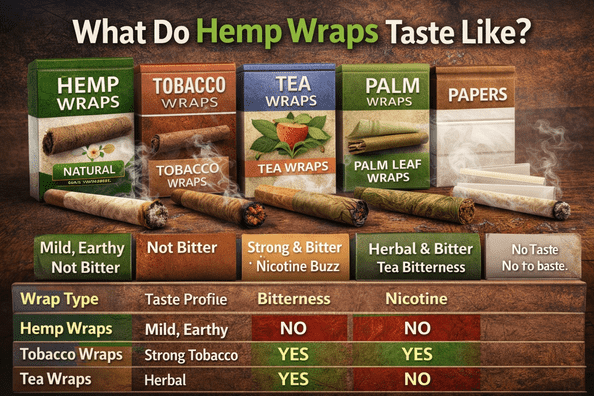
What Do Hemp Wraps Taste Like? A Real Flavor Breakdown
-
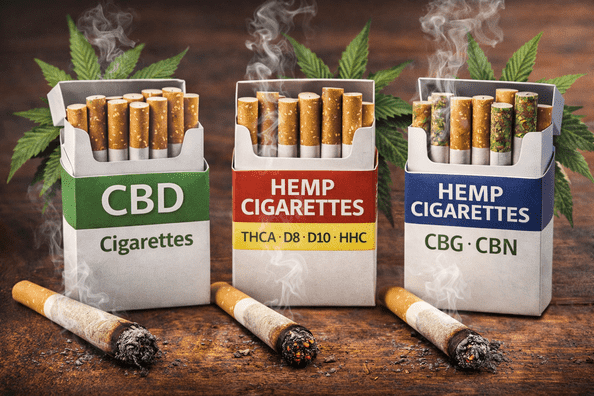
Are Hemp Cigarettes the Same as CBD Cigarettes? A Complete Breakdown
-

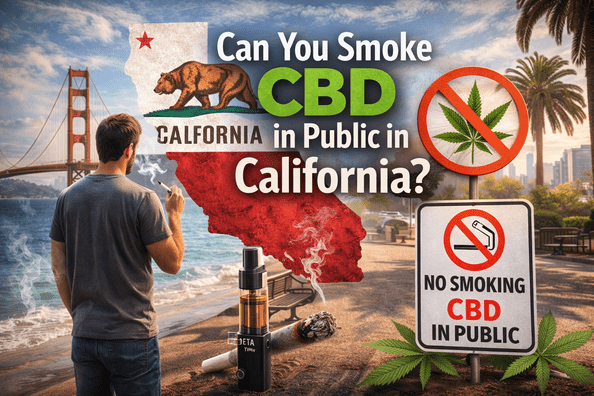
Can You Smoke CBD in Public in California?
-

Can You Smoke CBD in Texas? – A Clear Guide to the Laws (2026)
-

日本でCBDは吸える?CBDタバコとCBDスモークの法律を解説
-


Can You Smoke CBD in Japan? Laws, Risks, and What Travelers Should Know
-

Does Smoking Hemp Make You Poop? The Science Explained
-

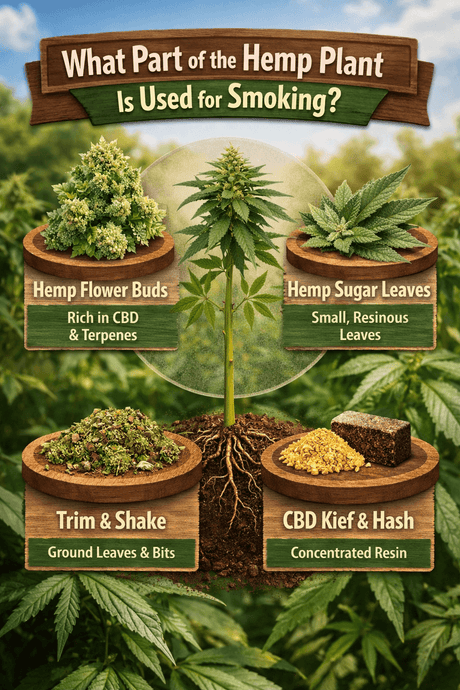
What Part of the Hemp Plant Is Used for Smoking?
-

What Can I Use to Roll a Blunt Without Wraps? (Real Alternatives, Ranked)
-
What Is a Hemp Wrap? (Simple Definition, Uses, and Differences Explained)
-
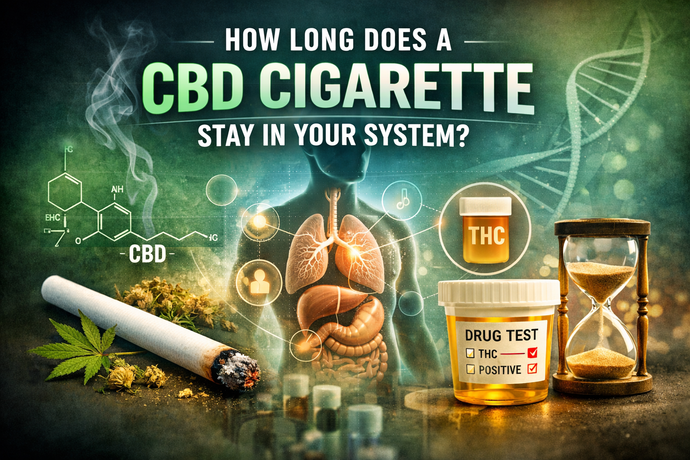
How Long Does a CBD Cigarette Stay in Your System? (Complete 2026 Guide)
-

The History of Smoking Hemp Flower
-
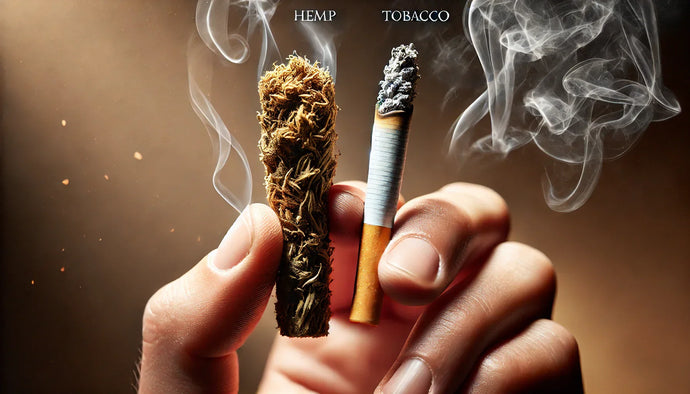
Do Hemp Cigarettes Burn the Same as Tobacco Cigarettes?
-
How Trump’s Tariffs Affect the Hemp, CBD & Cannabis Industry
-
Is Hemp the Most American Plant on the Planet?
-


Is It Possible to Get High Off the Leaves of the Marijuana Plant?
-
The Best Slow Burning Marijuana Hemp Leaf Wraps: Wild Hemp Wraps
-


Best Hemp Wraps in Oklahoma!
-

Can CDL Drivers Smoke CBD?
-


What is the Difference Between CBD and Kava?
-
Smoking Hemp vs. Smoking Crack Cocaine (Similarities & Differences)
-
Do Hemp Wraps Get You More High? Exploring the Truth Behind the Buzz
-

How Much Are Blunt Wraps? Tobacco vs. Hemp Wraps Price
-

How to Wrap a Blunt with Concentrate: A Step-by-Step Guide to Rolling Like a Pro
-

What Do Hemp Wraps Contain?
-


The Top 12 Most Popular Smokable Herbs
-
Smoking Mullein vs. Hemp Cigarettes: Key Differences and Insights
-


Are CBD Gummies More Expensive Than CBD Vapes?
-
Are Hemp Wraps Better than Rolling Papers?
-


The Science of Laughter: Why Cannabis Makes You Giggle
-


Hemp Wraps vs. Tobacco Wraps: A Comprehensive Comparison
-


Discreetly Relaxing: A Parent's Guide to Using CBD Undetected
-


Is It Safe to Use CBD Before a Job Interview?
-

Is Vaping Weed Better Than Smoking It With A Blunt?
-


How To Hide Weed's Smell
-
How to Roll the Perfect Blunt (For Beginners)
-
Can Kids or Teenagers Safely Eat CBD Gummies?
-


Should You Store Your Hemp Wraps in the Fridge or Freezer?
-


What is the Best CBD Gummy Dosage for Beginners?
-


Are hemp rolling papers better for the environments?
-
Maximize Your Vaping Experience With THC Free CBD Vapes
-
Understanding the Effects of Smoking CBD: How Does It Affect You?
-
Exploring the Different High CBD Strains and Their Effects
-
Understanding Lemon Cherry Gelato Strain: A Detailed Guide
-
Strawberry Cough Strain: Everything You Need to Know


